Mold damage can sneak up on you, quietly spreading in hidden corners while leaving visible damage in its wake. For businesses in Northern California, keeping an eye out for mold is critical due to the region’s unique climate. The presence of mold in a commercial property can lead to structural issues, unpleasant odors, and potential health concerns for employees and customers alike. Understanding how to detect this pesky problem early can save time, money, and ensure a safe environment.
Spotting mold quickly helps avoid bigger issues and costly repairs down the road. When mold is left unchecked, it can spread and cause further damage, impacting your building’s integrity and air quality. Tackling the problem at the outset means fewer disruptions for your business and peace of mind for everyone involved. Early awareness and addressing mold head-on are keys to maintaining a healthy workspace and protecting your investment.
Common Causes of Mold Growth in Commercial Properties
Mold thrives in environments where moisture is available, feeding on materials like wood, drywall, and carpet. For commercial properties, several common factors can contribute to mold growth:
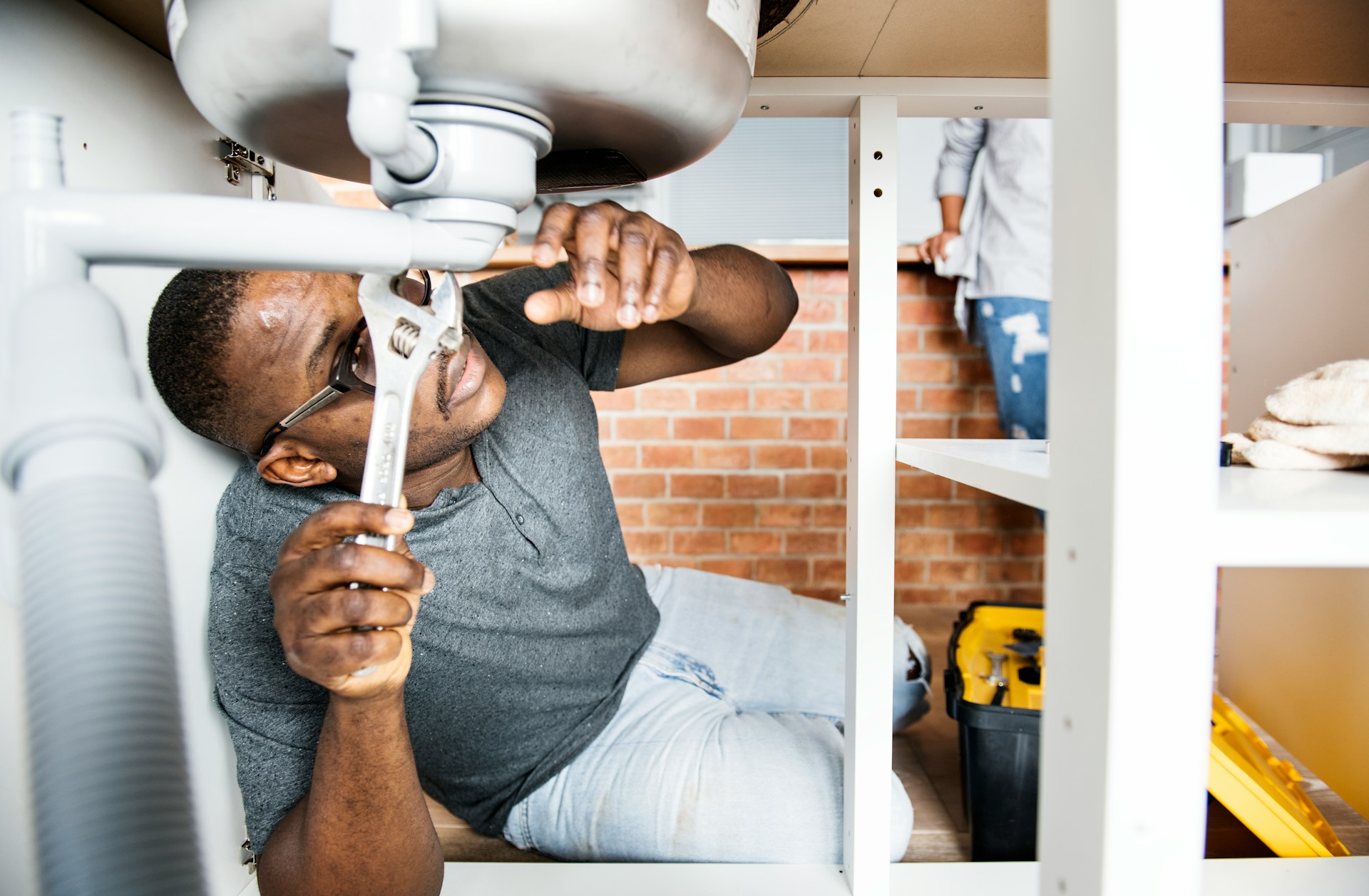
– Water Leaks: Whether from plumbing issues or roof leaks, water provides mold the moisture it needs to grow. Regular inspections can help catch these leaks early.
– High Humidity: Buildings in Northern California can experience elevated humidity levels, especially near coastal areas. High indoor humidity should be managed with dehumidifiers or HVAC adjustments.
– Poor Ventilation: Spaces that don’t have proper airflow can trap moisture, creating a welcoming environment for mold to set in. Ensuring proper ventilation is a straightforward way to help prevent mold.
Northern California’s climate, with its mix of wet winters and hot, dry summers, provides perfect conditions for mold to take hold if buildings aren’t properly managed. Pay close attention to areas near water sources or where condensation regularly occurs.
Understanding these causes can guide building managers in taking preventive steps. Checking for leaks, maintaining HVAC systems, and improving air circulation are practical measures that prevent mold from establishing in the first place.
How to Spot Mold Early
Spotting mold early involves knowing what to look for. Mold often starts in hidden places, but there are clear signs to watch:
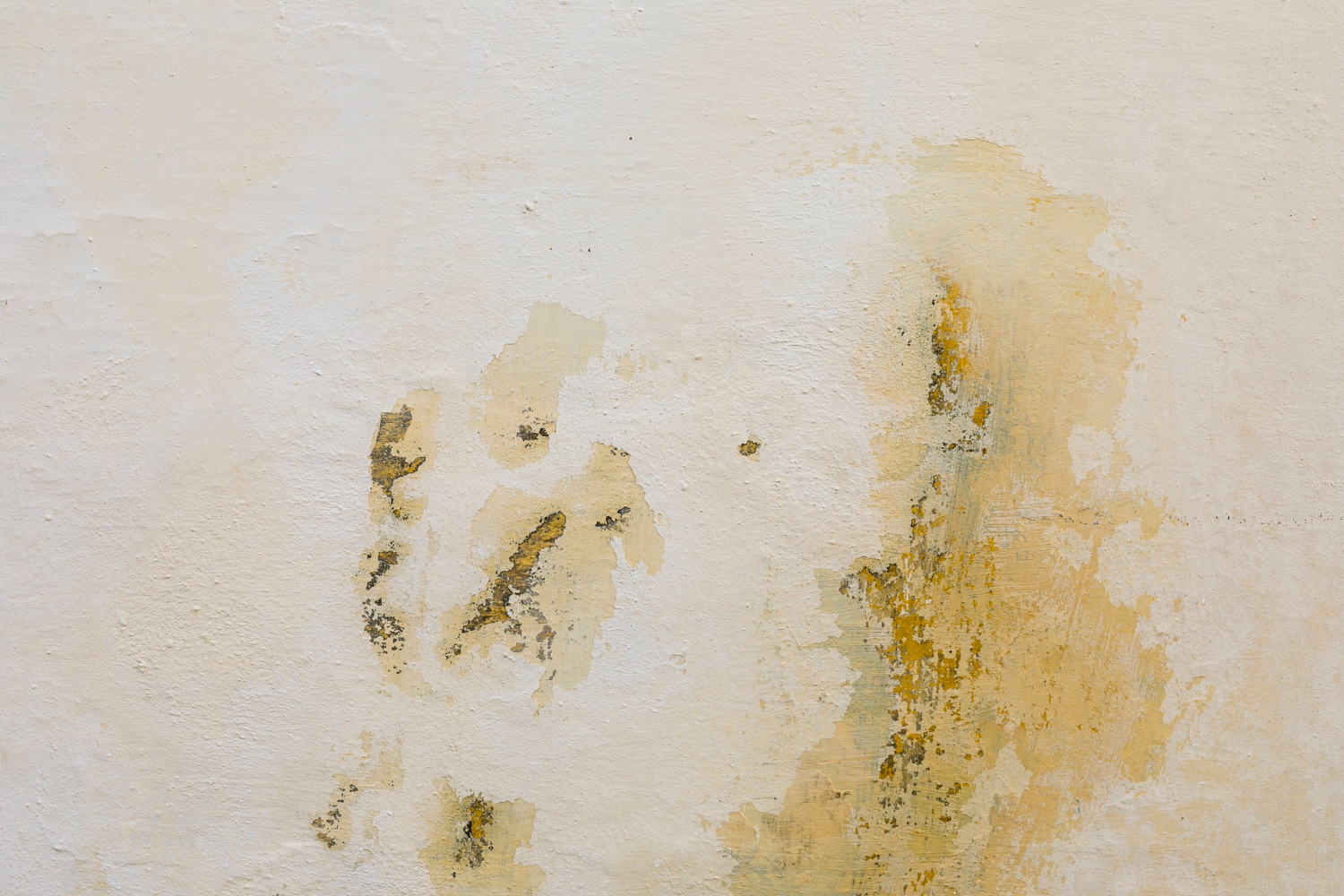
1. Visible Signs: Look for discolored patches on walls, ceilings, and floors. Mold can appear in many colors, though black, green, or white spots are common.
2. Musty Odors: A persistent musty smell is a strong indicator of hidden mold. Even if you can’t see it, you might smell it before it becomes visible.
3. Health Effects: Occupants may experience allergic reactions, such as sneezing or coughing, which could suggest mold presence.
Regular inspections are crucial. Schedule them routinely, especially in areas prone to moisture. In addition, note any unusual odors or complaints about air quality from employees or customers. By catching mold before it spreads, you can save on extensive remediation expenses and ensure a safe, mold-free environment.
Steps to Address Early Mold Damage
Taking quick action is the best way to tackle mold damage once you spot it. The first step is to reduce moisture in the affected area immediately. You can do this by using fans or dehumidifiers and ensuring that windows and doors are open to increase airflow. Isolating the affected spot is important to prevent mold from spreading further. Seal off the area using plastic sheeting if possible.
It’s critical to have a professional conduct a thorough mold assessment. A specialist can help determine the extent of the problem and recommend the best course of action. Mold testing helps identify the type of mold and its presence in areas you might not have considered. This is where the real value shows; trying to handle it alone often results in missed spots or incomplete removal.
Once testing is complete, mold remediation follows. This process ensures that all traces of mold are eliminated, protecting the structural integrity of your building and keeping everyone safe. Mold remediation involves cleaning and disinfecting surfaces, removing damaged materials, and repairing water sources that might contribute to future mold growth. Professionals use specialized equipment and cleaning products to carry out this critical task effectively, leaving your property secure and mold-free.
Preventing Future Mold Issues
After addressing current mold problems, shifting focus to prevention is wise. Maintaining proper ventilation is key. Ensure your HVAC system is working efficiently and regularly checked to improve building airflow. Consider installing exhaust fans in areas prone to moisture, such as bathrooms and kitchens.
Controlling humidity levels is another important preventive measure. Use dehumidifiers to keep indoor air dry, especially during wetter seasons. Watch for leaks in your plumbing and own a routine check-up schedule to catch any problems before they escalate. Proper maintenance of roofs and gutters also prevents water from seeping into the building unnoticed.
Investing in mold-resistant materials can effectively safeguard vulnerable areas. In places like bathrooms, basements, and kitchens, use mold-resistant drywall or paints. These small investments greatly reduce the risk of mold setting in.
Safeguarding Your Property from Mold
Protecting your commercial property from mold means understanding the risks, spotting early signs, and taking decisive steps. With early detection and action, you prevent minor issues from turning into major headaches. The benefits of staying proactive are substantial, keeping repair costs low and maintaining a healthy environment for all building occupants.
Creating a mold-free environment supports business operations and promotes a safe, welcoming space. By staying vigilant and using professional help when needed, you ensure your property’s longevity and the health of those who spend time there. Prioritizing mold prevention and restoration is a smart move that ultimately pays off by safeguarding your investment and peace of mind.
Mold prevention is crucial for maintaining a healthy environment and safeguarding your property. If mold issues have already taken hold, it’s important to act promptly. Contact Zebra Restoration Services to explore our comprehensive mold restoration service. Our thorough remediation process will ensure your commercial property in Northern California remains mold-free, promoting safety and peace of mind for all occupants.